
01Nutrition 4 MIN READ
Is Red Meat Bad for You? Sorting Signal From Headline
Red meat headlines can sound alarming. We read past them to the actual size of the risk and what "moderation" really means.
- The claim
- Red meat is bad for you.
- The verdict
- IT DEPENDS
- In short
- Evidence is firmer for limiting processed meat; absolute risks are often modest.
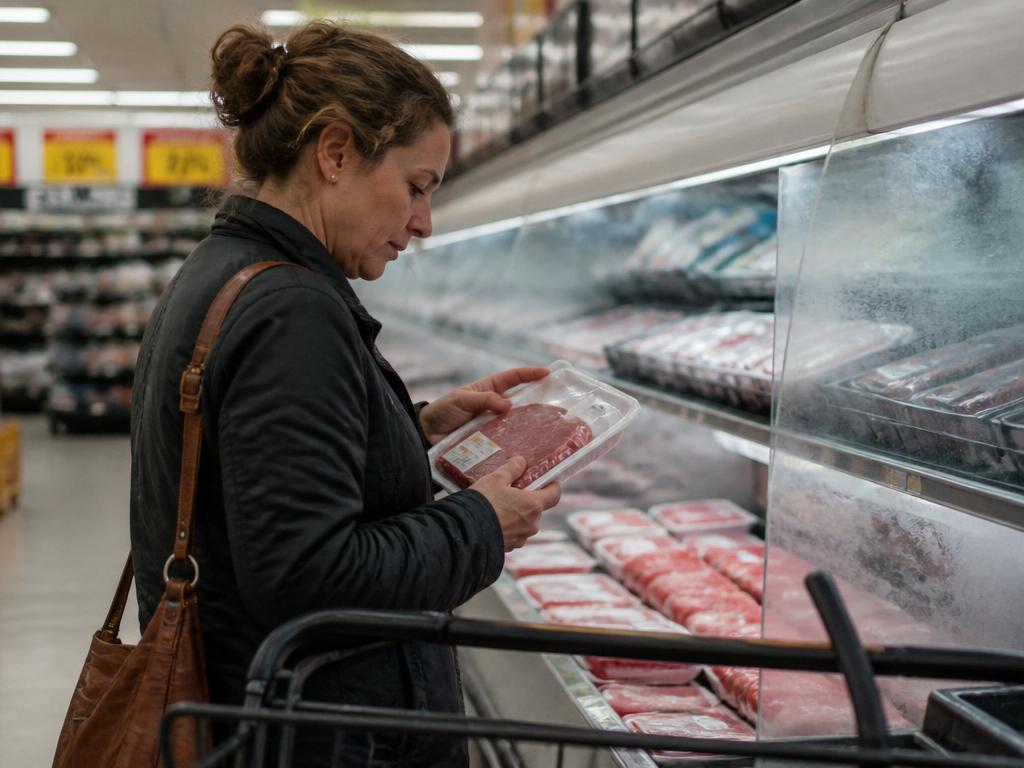
Is red meat bad for you? Headlines about red meat tend to arrive in two flavors: dire warnings and reassuring rebuttals. The truth lives in the gap between them, and getting there means understanding a few distinctions that headlines usually flatten, especially the difference between processed and unprocessed meat and between relative and absolute risk.
Processed vs. unprocessed
The first thing many headlines blur is that “red meat” is not one category. There is a meaningful difference between unprocessed red meat, such as a plain cut of beef, lamb, or pork, and processed meat, which has been preserved through methods like curing, salting, or smoking, including products like bacon, sausages, and deli meats.
This distinction matters because the evidence is generally stronger and more consistent for processed meat than for unprocessed red meat. Health bodies have tended to treat processed meat as the bigger concern, with research more reliably linking higher processed meat intake to certain health risks. The evidence on unprocessed red meat is weaker and more mixed, with studies reaching less consistent conclusions.
So a headline that lumps a fresh steak together with a hot dog is collapsing two different levels of evidence into one scary number. When you see a claim about “red meat,” it is worth asking which kind the underlying research was actually about.
Relative vs. absolute risk
The second source of confusion is how risk is reported. Studies often express findings in terms of relative risk, which describes how much a risk changes in percentage terms. A statement that some outcome is “X percent more likely” with higher meat intake sounds dramatic, but it does not tell you how large the underlying risk was to begin with.
Consider a simple illustration of the difference, using made-up round numbers purely to show the logic:
- If a risk goes from very small to a slightly larger but still small number, the relative increase can look big even when the absolute change is modest.
- Absolute risk tells you the actual change in your odds, which is often less alarming than the percentage suggests.
This is not a reason to dismiss the findings. A real increase in risk is still real. But it does mean that a frightening percentage in a headline can correspond to a fairly small change in the actual chance of an outcome for any one person. Honest reporting requires holding both numbers in view, and headlines rarely do.
It is also worth remembering that much of this research is observational. It can reveal associations between eating patterns and health outcomes, but it struggles to fully prove cause and effect, because diet is tangled up with many other lifestyle factors. The findings are best read as part of a larger pattern rather than as proof in isolation.
What “moderation” means here
Given all this, the common advice to eat red meat “in moderation” is reasonable, but vague. What does it actually point to?
The general thrust of mainstream dietary guidance is not that everyone must eliminate red meat, but that it makes sense to limit processed meat in particular, and to keep unprocessed red meat as part of a varied diet rather than the center of every meal. Context matters a great deal: red meat eaten alongside plenty of vegetables, whole grains, and other whole foods sits in a very different dietary picture than red meat eaten in large amounts within an otherwise poor diet.
| Type | Strength of evidence for concern | Reasonable approach |
|---|---|---|
| Processed meat | Stronger and more consistent | Limit intake |
| Unprocessed red meat | Weaker and more mixed | Eat as part of a varied diet |
“Moderation” here is less about a precise cutoff and more about proportion and overall pattern. Red meat as one component among many is a different thing from red meat as a daily staple.
The bottom line
Red meat is neither a poison nor a free pass, and most of the confusion comes from headlines that flatten important distinctions. The evidence is stronger for limiting processed meat than for avoiding unprocessed red meat, and scary-sounding percentages often reflect modest changes in absolute risk. Much of the research is observational, which adds further caution. The practical message is unglamorous but sound: favor variety, go easy on processed meats in particular, and judge red meat by the company it keeps in your overall diet rather than by the latest alarming headline.